
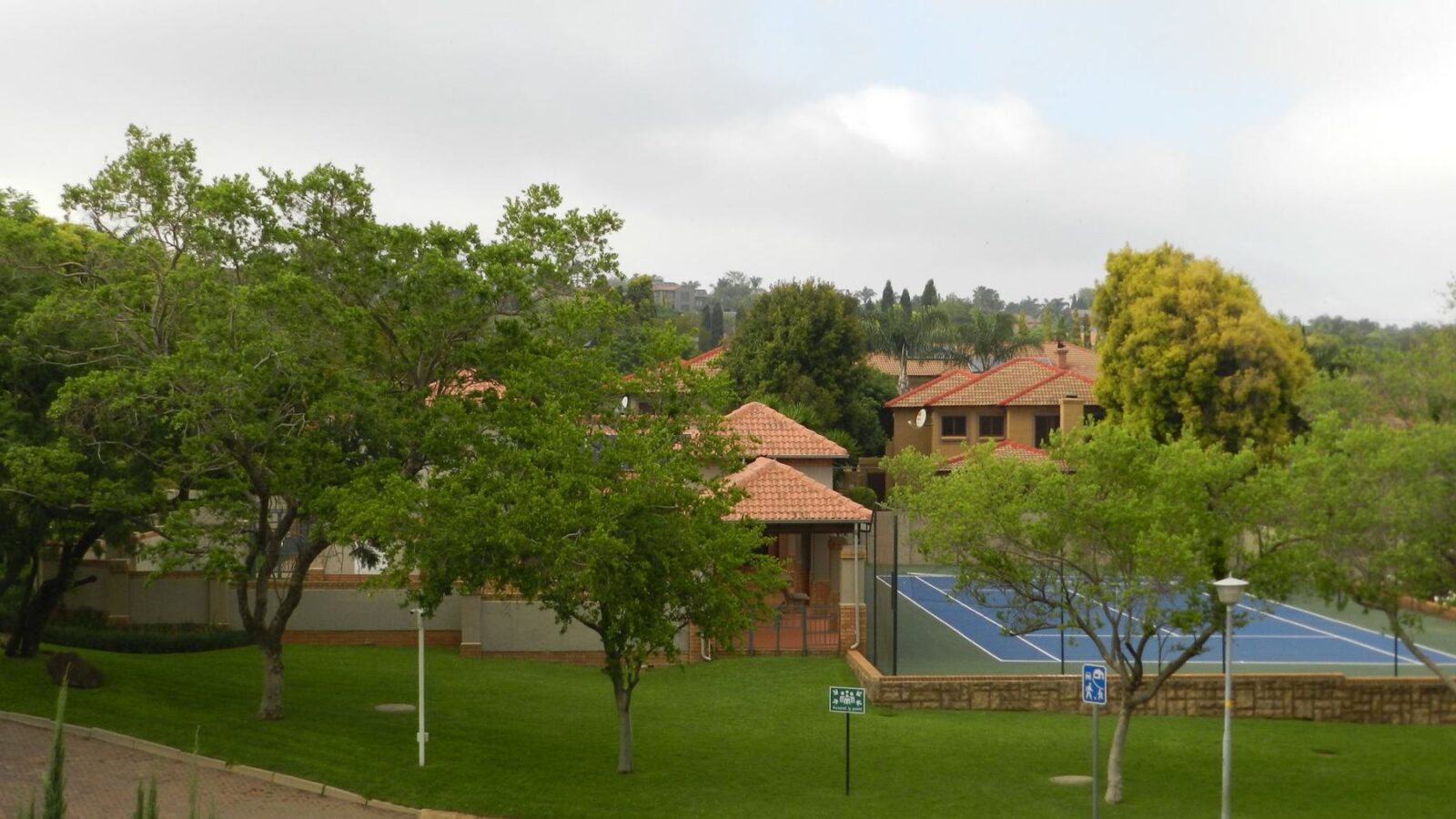
Spring is the transitional season between winter and summer, marked by warmer temperatures, longer days, and the return of plant and animal activity. It’s the period when ecosystems wake up: trees bud, flowers bloom, insects reappear, and migratory birds return.
Spring is the season that feels like a fresh start. The air softens, colours return, and the world feels newly painted. It’s a time of optimism, growth, and gentle transformation.
Welcome our new Estate Manager

The Board is pleased to introduce Lorraine de Wet as the new Estate Manager of Meadow Glen. Lorraine brings extensive experience in estate administration and community management, together with a passion for organisation, structure and service excellence.
Originally from Namibia, Lorraine describes herself as someone who values clear processes, consistency and accountability. She believes that a well-managed estate is built on effective communication, adherence to community rules and prompt resolution of resident concerns. Her organised and detail-oriented approach makes her well suited to supporting the continued success of Meadow Glen.
When she’s not at the estate, Lorraine runs her own Pilates business and enjoys spending time outdoors, particularly hiking. Together with her husband, she values an active lifestyle and community involvement. Lorraine is excited to become part of the Meadow Glen family and looks forward to meeting residents and working together to maintain the high standards that make our estate such a wonderful place to live.
Estate-wide summer stormwater advisory
As we approach the summer rainfall season, MGHOA would like to remind all residents to inspect and maintain stormwater management measures on their properties. Heavy rainfall events may result in flooding, erosion, ponding of water and structural damage where stormwater systems are not properly maintained.
Inspect and maintain
- Gutters and downpipes
- Stormwater channels and drains
- Catch pits and drainage systems
- Retaining walls and boundary walls
- Areas where stormwater naturally enters or leaves the property
Ensure proper stormwater management
- Keep drainage routes free of obstructions
- Address erosion or ponding areas before the rainy season
- Ensure roof water is discharged appropriately
- Monitor retaining walls and boundary walls for signs of water build-up
- Ensure landscaping, paving and other improvements do not negatively affect neighbouring properties
Owner responsibility
Each property owner is responsible for managing stormwater generated on or passing through their property and for maintaining drainage infrastructure within their property boundaries. Where stormwater-related issues are observed, owners are encouraged to address them proactively before the onset of significant summer rainfall events.
Taking preventative action now can significantly reduce the risk of property damage and costly repairs later in the season. Thank you for your cooperation in helping maintain a safe and well-managed estate.
Animal cruelty and the rules for pets
Under Section 2 of South Africa’s Animals Protection Act 71 of 1962, intentionally shooting an animal with a pellet gun and causing it severe suffering constitutes direct physical cruelty, ill-treatment or maiming. If convicted, the penalties and court-ordered sanctions include:
Statutory penalties
- Imprisonment: up to 12 months in prison.
- Imprisonment without choice of fine: the magistrate has the discretion to impose a direct prison sentence without the option to pay a fine, particularly in cases involving severe cruelty or intentional harm.
- Fines: a discretionary monetary fine set by the court according to statutory limits.
Additional penal sanctions (Section 3)
- Unfitness order: declare the convicted individual unfit to own or be in charge of any animal (or specific species) for a set period.
- Deprivation of ownership: deprive the offender of ownership of the animal.
- Humane destruction: order the animal to be humanely euthanised if its injuries are so severe that keeping it alive would cause prolonged suffering.
- Damages and medical costs: order the offender to pay compensation for veterinary treatment or financial loss suffered by the animal’s owner.
Beyond the Animals Protection Act, discharging a pellet gun (airgun) within residential areas or unlawfully targeting property or domestic animals can result in additional criminal charges under local municipal by-laws or the Firearms Control Act.
Rules for pets as per the MOI
- 11.1 Municipal by-laws prevail regarding numbers, licensing and facilities for pets.
- 11.2 No person may keep more than three dogs or three cats older than 6 months on their property.
- 11.3 Pets are not allowed to roam the streets or stands of other owners without their owners.
- 11.4 Owners of dogs are in particular responsible to ensure that their dogs do not pose any threat to other people or animals in the public areas in the Estate.
- 11.5 Dogs must be walked on a leash in public areas. Should any excrement be deposited in a street or other public area, the owner of the pet shall immediately collect it and dispose of it at his own premises.
- 11.6 Every pet must wear a collar with a tag indicating the name, telephone number and address of its owner. Cats must be neutered and must wear bells around their necks to alert birds to their presence.
- 11.7 Every pet owner is obliged to see that his or her pet does not cause any aggravation or nuisance to fellow residents and must adhere to reasonable complaints and take the necessary steps to eliminate the said aggravation or nuisance. The HOA reserves the right to request the owner to remove his or her pet(s) should it become a nuisance in the Estate. The HOA shall have the unfettered discretion in this regard, but will not exercise the said right without first having directed a written notice to the owner furnishing details of the complaint and the complainant and affording the owner a reasonable opportunity to eliminate the cause of the complaint. The HOA shall not be responsible for any damages or injuries caused by any dog to any person, animal or property.
- 11.8 The HOA will only consider complaints about pets when done so in writing.
All pets must be registered at the Estate Office. Please complete the animal documentation and add photos of your animals.
10 things you may not know about Meadow Glen
Meadow Glen combines architectural excellence, strong governance, sustainability initiatives and a vibrant outdoor lifestyle, making it one of the most distinctive residential communities in the area.
“Our estate isn’t just a collection of homes. It’s a living history of investment, innovation, community spirit and pride of ownership.”
At Meadow Glen, our beautiful homes, landscaped gardens and strong community spirit are what residents see every day. Behind the scenes, however, the estate has a rich history of continuous improvement, innovation and community involvement. Here are a few interesting facts from the Meadow Glen archives and records:
- Meadow Glen embraced solar energy early
Long before load-shedding became a daily concern, Meadow Glen residents were already investing in solar power systems and renewable energy solutions for their homes. - Outdoor living is part of our DNA
Swimming pools, bomas, braai areas, entertainment patios and landscaped gardens feature prominently throughout the estate, reflecting a lifestyle centred around family, friends and outdoor living. - Good neighbours help shape the estate
Many property improvement applications include neighbour consultation and feedback, demonstrating the collaborative spirit that helps maintain harmony within the community. - Every colour tells a story
The estate has long maintained design and aesthetic standards that help preserve Meadow Glen’s attractive appearance and property values. External changes, paint colours and visible improvements often form part of the approval process. - The history of Meadow Glen is carefully preserved
From building plans and occupation certificates to approvals, transfers and compliance records, Meadow Glen maintains an extensive archive documenting the growth and development of the estate. - Homeowners continually invest in their properties
Over the years, residents have added patios, pools, staff accommodation, storage areas, solar systems and numerous enhancements that contribute to the estate’s appeal and long-term value. - Security has always been a priority
The estate’s systems include the registration of domestic workers, gardeners and other authorised persons, supporting a safe and well-managed environment for all residents. - Meadow Glen has been evolving for many years
Archive records show improvement projects dating back more than a decade, highlighting the ongoing commitment of residents to maintaining and upgrading their homes. - Compliance helps protect property values
Building plans, occupation certificates, safety requirements and approval processes all contribute to protecting the estate’s character and safeguarding homeowner investments. - Meadow Glen is more than an estate, it is a community
Security update and access control
We are pleased to report that there have been no security breaches recorded.
We thank residents for their continued cooperation and ask that everyone please continue to follow the Estate Rules, especially as far as access control procedures are concerned. Correct access control remains one of the most important parts of maintaining a safe and secure estate, and residents are reminded to ensure that visitors, contractors, employees and service providers follow the correct procedures at all times.
Residents are reminded that all contractors, garden services, domestic workers, gardeners, delivery personnel and service providers must follow the correct procedures when entering and exiting the Estate. Residents are requested to ensure that the necessary arrangements, registrations, authorisations or access codes are provided timeously to avoid delays at the gate. Security may not grant access where the required access procedure has not been followed.
Visitor parking area
Residents are reminded that the communal parking area is strictly for visitors and may not be used for long-term or permanent parking by residents. We kindly request that all residents make use of their own garages and driveways and keep visitor parking available for its intended purpose.
Exterior maintenance and painting
Residents are encouraged to address general exterior maintenance, including repainting, touch-ups, peeling paint, damaged boundary walls, visible cracks, stained exterior walls and roofs, damaged gutters and other visible maintenance items.
Regular upkeep of each property contributes positively to the overall standard, appearance and value of the Estate. Residents are, however, reminded that painting and other exterior projects may require prior approval, and the Estate Office should be contacted before any work commences. Residents are reminded to keep gardens, driveways, sidewalks, curbsides and visible areas neat and well maintained.
We thank all residents for their continued cooperation and support in keeping Meadow Glen safe, secure, well maintained and pleasant for everyone who lives here.
Domestic workers, gardeners and caretakers: new laws
South Africa has introduced strict new legal and compliance updates affecting private households that employ domestic workers, gardeners and caregivers.
Proposed foreign worker penalties
The government is processing the Employment Services Amendment Bill, which targets households employing undocumented foreign nationals.
- First offence: fines up to R100,000 per undocumented worker.
- Second offence: fines up to R200,000 within a three-year period.
- Ongoing violations: penalties can scale up to R1 million, alongside potential jail time for repeat offenders.
- Unannounced inspections: multidisciplinary task teams are conducting random checks on private homes to verify valid work permits or specialised visas.
COIDA regulations and stricter enforcement
Under the Compensation for Occupational Injuries and Diseases Act (COIDA) amendments, domestic workers are fully recognised as employees eligible for injury and medical claims.
- Mandatory registration: employers must register their domestic workers with the Compensation Fund.
- On-the-spot fines: violations now trigger immediate administrative fines rather than prolonged criminal court cases.
- Inspector powers: labour inspectors can enter private residential properties without prior notice to review employment records and interview staff.
- Extended claims: workers now have three years to file injury claims instead of 12 months, and employers must retain accident logs for extended periods.
Proposed working hour rules
Under proposed Basic Conditions of Employment Act amendments, employers must outline clear written schedules specifying maximum hours, exact availability times and reasonable notice periods for shift changes or cancellations. Failing to provide required notice for cancelled shifts legally requires compensating the worker.
Regards,
Meadow Glen Homeowners Association NPC